
.png)

The Ultimate 2026 Guide to Workplace Safety and PPE Compliance in South Africa
- Diana van der Walt
- May 12
- 3 min read
Workplace safety is a critical concern for construction companies across South Africa. In 2026, the stakes remain high: failing to meet safety standards can halt projects, lead to hefty fines, and damage reputations. This guide offers a clear, practical path to understanding and implementing workplace safety, personal protective equipment (PPE), and compliance requirements on South African construction and industrial sites.
UR Safety by Bosigo provides a comprehensive system that combines PPE supply, workwear, safety equipment, and compliance support. This approach helps teams get equipped, audit-ready, and operational quickly, reducing risks and keeping projects on track.

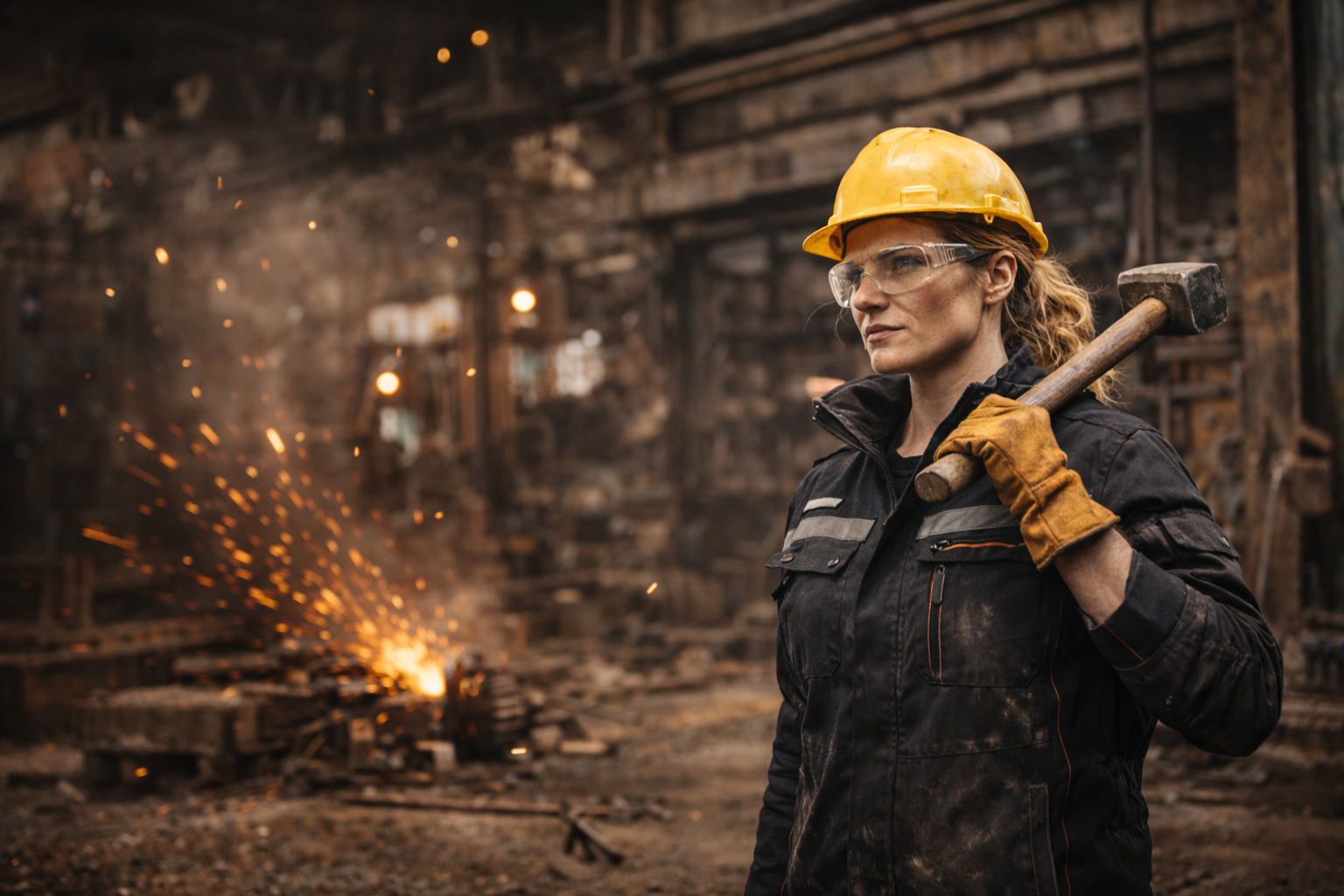
Construction worker fully equipped with PPE on a South African construction site
Why Workplace Safety Matters in South Africa in 2026
Safety is not optional in South Africa’s construction industry. It is a legal requirement enforced by government bodies such as the Department of Employment and Labour. Across sectors like construction, logistics, manufacturing, security, and cleaning, businesses must:
Provide the correct PPE to all workers
Maintain up-to-date safety files and documentation
Ensure workers are medically fit for duty
Pass regular site audits and inspections
Failing to meet these requirements can result in:
Immediate site shutdowns until compliance is restored
Financial penalties that can reach millions of rand
Loss of contracts due to poor safety records
Increased liability for accidents and injuries
The goal is straightforward: reduce risk, stay compliant, and keep projects moving without interruption.
What PPE Is Required on a Worksite?
The PPE needed depends on the specific work environment, but most South African construction sites require the following core essentials:
Safety boots with steel toe caps and anti-slip soles to protect feet from heavy objects and slippery surfaces
High-visibility clothing such as vests or jackets to ensure workers are seen, especially in low-light conditions
Hard hats to protect against falling objects and head injuries
Protective gloves suited to the task, whether for handling sharp materials or chemicals
Eye protection like safety goggles or face shields to guard against dust, debris, and sparks
Respiratory protection such as masks or respirators when working with dust, fumes, or hazardous substances
Each PPE item must meet South African safety standards, including SANS (South African National Standards) certification, and be suitable for the actual working conditions—not just for passing audits on paper.
Choosing the Right PPE Supplier in Johannesburg
Selecting a reliable PPE supplier is crucial for maintaining safety and compliance. When evaluating suppliers in Johannesburg, construction companies should consider:
Compliance-Focused Products
The supplier must offer equipment that meets South African safety regulations. Generic imports without proper certification can put workers at risk and jeopardize compliance.
Industry-Specific Solutions
Different industries require different PPE setups. Construction sites need rugged, durable gear, while logistics or manufacturing might need specialized gloves or respiratory protection. The supplier should understand these nuances.
Availability and Speed
Delays in PPE delivery can delay entire projects. Choose suppliers with strong stock levels and fast turnaround times to avoid downtime.
Branding Capabilities
Branded workwear helps improve the professional image of your team, makes it easier to identify workers on site, and supports compliance by ensuring everyone wears the correct gear. UR Safety by Bosigo offers free branding on qualifying orders, adding value without extra cost.

Maintaining Safety Files and Documentation
Safety files are essential for proving compliance during audits. These files should include:
Risk assessments for all site activities
Records of PPE issued to each worker
Training certificates for safety procedures and equipment use
Medical fitness certificates for workers
Incident and accident reports
Keeping these documents updated and organized makes audits smoother and helps identify areas for safety improvement.
Ensuring Workers Are Fit for Duty
Worker fitness is a key part of safety compliance. Construction companies should:
Conduct pre-employment medical checks to assess physical fitness
Perform regular health screenings to detect conditions that could affect safety
Provide training on safe work practices and proper PPE use
Monitor workers for fatigue or impairment during shifts
Healthy, well-trained workers reduce the risk of accidents and improve overall site safety.
Preparing for Site Audits and Inspections
Site audits are routine and can be unannounced. To prepare:
Conduct regular internal safety inspections
Ensure all PPE is in good condition and worn correctly
Keep safety files current and accessible
Train supervisors to enforce safety rules consistently
Address any hazards or non-compliance issues immediately
Passing audits protects your business from fines and shutdowns and builds trust with clients.
How UR Safety by Bosigo Supports Your Safety Needs
UR Safety by Bosigo offers a one-stop solution for construction companies needing PPE, workwear, safety equipment, and compliance support. Their system helps you:
Source certified, industry-specific PPE quickly
Brand workwear for professional appearance and compliance
Maintain safety documentation with expert guidance
Prepare for audits with compliance checklists and support
This integrated approach saves time and reduces the risk of costly compliance failures.


Comments